Showing posts with label study. Show all posts

Monday, August 13, 2012

You

Everyday, a new medical study is announced purporting to tell the American population how to live, eat, work, play, etc. Some tell you what to do while others caution the opposite. While some studies reaffirm previous studies, many are diametrically opposed. In fact, the more sensational and controversial the headline, the more likely you are to hear about it. This reality gives me constant pause for thought. How does anyone figure it all out in such an environment?

Of course, all studies are not the same. Some are well constructed, scientifically valid, and worth consideration. In previous blogs, I've discussed how to differentiate between good and bad studies.  In a nutshell, a large double-blind randomized controlled study done by a reputable university, not paid for by a commercial interest, done by researchers with no financial conflict of interest is the most trustworthy study.  Most people never read the actual study so they have to rely upon a trustworthy news source for a reasonable interpretation of what the study's results actually mean in practical terms. Even then, results can be reported in such a way to support one bias or another.

Consider this Olympic inspired example. The United States and China were in a contest. The U.S. came second and the Chinese were second to last. Who did better?  It depends. If there were only two participants in the contest, then China came in first, or second to last, and the U.S. came in second, or last. See how not knowing all the facts allows for some clever manipulation. I've seen this happen more times than you would predict.

Why am I telling you all this? The reason is when YOU read about a study that sounds reasonable and valid, YOU would still be foolhardy to implement its finding(s) on your own without consulting a physician. Why? Because no matter how well constructed the study, by definition, studies are limited in the number of variables they consider. They can't look at all the variables that may affect YOU. They don't consider everything YOU eat, what medications YOU take, your medical and family history,  allergies, food sensitivities, age,  gender, race, etc. In other words, they don't know YOU and in fact, the results may have no value to YOU.

For example, cars typically need four wheels. A study was done with cars that had three wheels, but needed four. Adding a fourth wheel improved the performance of the car. The headline blares, "Adding Wheel to Cars Improves Performance." You read this headline and think that adding a wheel to your car will also improve its performance. The only problem is that your car already has four wheels and a fifth wheel not only makes little sense, but may also actually impede your car's performance.

According to the recent issue of Consumer Reports, there are 55,000 dietary supplement products now marketed in the U.S. That's 55,000 reasons for someone to sell you on the value and greatness of their product. These products also often need to advertise/market their products in mainstream media to get your attention. That's a lot of product information coming at you on a daily basis. Who's on the other side of this tsunami of info?  Hardly anyone because there is no money in telling you what not to take. There are only a few of us in the U.S. expressing caution about dietary supplements and virtually none of us gets paid to do so. It's lonely on this side of the aisle, but it's a worthwhile endeavor.

Ultimately, taking advice from a news source without consulting your physician is outright foolish and dangerous. Forgive my bluntness, but I'm tired of seeing so many people fooled into spending their hard earned money on bad products that may actually harm them. Don't be a guinea pig. Discuss your options with your physician and take a rational approach to your health needs. There's only one YOU and you need to take care of him or her by making the right decision for YOU. Got it?


Tuesday, August 7, 2012

The Only Thing I Know For Sure Is That We Need To Keep Learning

About 30 years ago, I read an article about agriculture that had a profound impact on my thinking. The article was about soil erosion and basically stated that what had long been considered an incontrovertible truth about how to avoid soil erosion turned out to be the exact opposite. The idea that something held as an absolute truth could prove to be absolutely wrong has given me pause to think about such 'truths' to this day.

Thirty years later, a new study about exercise emerges that reminds me of what we consider absolute truths may not be so. For as long as I can remember, exercise has been associated with increasing your metabolism. It's been widely believed that exercise contributes to weight loss by burning calories and increasing your metabolism, which is believed to keep revving and burning calories even during the cool down phase.  While certain people argued that exercise was not an effective way to lose weight because they were unsuccessful losing weight despite much exercise, it was still a tenet of the weight loss movement. For example, Weight Watchers allows you to add extra "points" based on the amount of exercise you do.

The new study, which is a wonderful study, titled Hunter-Gatherer Energetics and Human Obesity, (http://www.plosone.org/article/info%3Adoi%2F10.1371%2Fjournal.pone.0040503) studied the Hadza tribe of hunter-gatherers in Tanzania. Strapping members of the tribe with a GPS device and having them swallow so-called doubly labeled water, a liquid in which the normal hydrogen and oxygen molecules have been replaced with versions containing tracers, researchers were able to quantify their levels of physical activity, energy expenditures and metabolic rates. What they discovered is groundbreaking!

The study showed that contrary to popular belief, exercise slows down one's metabolic rate so that calories burned are actually far less than expected.  What's amazing is that this is intuitive and yet for so long everyone believed otherwise. Think about it for a moment. If your body doesn't eat for several hours, we think (I'm now officially afraid to say anything for certain any more; well, maybe some things) your metabolic rate slows down as your body tries to conserve energy, as it doesn't know when energy will be replenished. Applying that same principle to exercise, when the body senses a loss of energy consumed by increased activity, it makes sense that it will slow down its burn rate to conserve energy.

This doesn't mean that you aren't burning calories and you can't lose weight by exercising. It simply means that you burn less than you think, which means don't think you can eat a lot more because you had a good exercise session.

By now you couch potatoes are turning to your spouses or friends and smugly telling them you were right all along about exercise. Well not so fast.  Exercise is still critical to good heart and brain health. Exercise keeps the heart functioning well and exercise has been shown to be as effective as anti-depressants in treating many cases of mild to moderate depression. But that's not all. Two new studies published online in the Archives of Internal Medicine support the tremendous impact of exercise on lowering the risk of death among diabetic patients, and that weight training may reduce the risk for the disease even without aerobic activity.

Quoting medpagetoday.com, "In a large prospective trial, moderately active patients with diabetes had a lower risk of total mortality compared with those who were completely inactive...according to Diewertje Sluik, MSc, of the German Institute of Human Nutrition in Potsdam, and colleagues. And in a separate prospective study, men who did weight training only at least 150 minutes per week had a 34% lower risk of developing diabetes to begin with ...according to Frank Hu, MD, PhD, of the Harvard School of Public Health in Boston, and colleagues."

I also previously wrote about a study that shows that exercise can return the inflexible blood vessels of pre-diabetics to normal as well.

So while exercise is not the great weight loss panacea it was once thought to be, it is still a critical component of a healthy lifestyle. Keep exercising, but more importantly, if you want to stay slim or lose weight avoid the four whites--white sugar, white flour, white pasta, and white rice. If you watched 60 Minutes this past Sunday, you now know that some scientists view sugar as toxic and cancer causing. Just another good reason to choose whole foods like fruits, vegetables, nuts, beans, and whole grains. And of course, don't forget my favorite, Wild Salmon.  Bon appetite!

Thursday, July 12, 2012

Is Obesity A Problem?

You probably think you know the answer to this question. From a medical perspective, your answer probably evolves around the fact that obesity leads to the development of chronic diseases such as diabetes, heart disease, cancer, dementia, arthritis, etc. These diseases lead to costly medical care which still leads to premature death. That sounds like a problem.

Well, based on a new study from the University of California Davis published in the Journal of the American Board of Family Medicine, you may be wrong. The study, which tracked 50,994 Americans between the ages of 19 and 90 for a total of six years, suggests that obesity itself may not be a harbinger of impending death; rather, hypertension and type 2 diabetes, which are often associated with obesity, are what leads to an early meeting with the grim reaper.

You may ask isn't that a question of semantics? Aren't obesity, diabetes, and hypertension so closely related that they may be considered one and the same? Isn't diabesity, as some call it, the right name for it? The answer may surprise you.

The study showed that obese people without these conditions were no more likely to die than non-obese people, and non-obese people with these conditions were more likely to die than obese people without them. So it's not weight per se that kills you, but the diseases that often, but not always, accompany excess weight.

In fact, in my practice I have seen many people who did not suffer from a weight problem, but were still struggling with diabetes. Well, that seems to make sense because weight itself is not the main factor in the development of diabetes and some people who are naturally heavier than others, still seem to enjoy good health.  (I remember many years ago when I worked in a summer sleep-away camp that there was a rather heavy young man that was an incredible athlete. He moved faster and stronger than most of his leaner peers. One would be hard pressed to say that he was unhealthy.) 

Nonetheless, this California study is consistent with a new movement that advocates HAES, which stands for Healthy At Every Size. The HAES camp believes that your health is more important than your size or body mass index (BMI) and I agree.

From the inception of MDPrevent, I have been telling patients not to focus on their weight loss; rather, I have been teaching, begging, exhorting, cajoling, and a number of other words ending in 'ing' to improve their health by eating certain foods and avoiding others, by staying more physically active all day long, by taking steps to ensure a good night's rest, and by developing strategies to manage stress effectively. My lectures often also focus on the need for a strong social network, the benefits of engagement and purpose, and the value of surrounding yourself with like-minded individuals. So, yes, one study doesn't prove anything, but it's not the first study to show the wisdom of focusing on your health and not your weight.

So now you may be thinking that obesity is not a problem, but you would be wrong. Obesity is still often associated with the predominance of chronic disease development. Even in the Albert Einstein College of Medicine study that identified Eastern European Jews who seem to have a longevity gene and who claimed to eat whatever they want, the results showed that those who survived into their 90s were almost always lean. Perhaps they had a genetic predisposition to being lean, but again, lean won almost every time.

I think the most serious reason obesity is a problem is because we don't as a society really seem to understand it. Quite frankly, my head is spinning from reading all the studies and books that purport to have defined, if not offered the perfect solution, to the problem. The list is almost endless.

Here's my abridged version of solutions offered (not saying they work or don't work; just listing to make a point):

Don't eat processed foods that contain white sugar and flour, avoid almost all carbs even the complex ones in fruits, eat more proteins, be a Vegan, eat more meat, drink more dairy, avoid saturated fats, avoid gluten, drink more water, balance your energy intake and output, don't live near fast food restaurants, eat more smaller meals, snack, don't snack, use small plates, eat breakfast within 30 minutes of waking up, don't eat breakfast until after you exercise, don't eat past seven at night, take dietary supplements that speed up metabolism, avoid anything other natural foods, stay physically active all day, go to Weight Watchers, follow the Adkin's diet, the South Beach Diet, the Zone Diet, the Cookie Diet, the grapefruit diet and countless other diets, take HCG and other appetite suppressants, take medications like Orlistat or Tenuate, have lap-band or stomach bypass surgery, etc.

Yes, there are quite a number of pundits that feel they have the solution, and that's a huge problem. Given so many choices, analysis paralysis sets in and we end up doing nothing or a little of this and a little of that, and that my friend is what I think is the biggest problem with obesity.

At this point, after reading countless books, articles, and studies, watching documentaries, attending conferences,  speaking to thought leaders, and working with patients, my solution is simple. Pick something that you think you can live with that has at least some decent science supporting it and STICK WITH IT. Getting healthy and losing weight takes time to do it right. It takes effort and concentration and it doesn't happen overnight. For many it will be a life-long struggle. Sacrifices will have to be made. Favorite foods may need to be given up perhaps forever. Trade-offs will be made and battle-lines drawn. That's the reality of the situation for most and I challenge anyone to prove otherwise.

If you need support, get it. If you are a do-it-on-your-own type of person, that's fine, but have a plan and follow it religiously.

If you are looking for some direction and/or insight, here's my suggestions: avoid processed foods, stay active during as much of the day as possible, drink fluids to keep your urine a pale yellow, don't take any pills you don't absolutely need to take, make fruits, vegetables, beans, nuts, and whole grains the bulk of your diet, eat some wild salmon at least 2-3 times a week, get at least 7 hours sleep a night, learn how to manage stress better, nurture relationships, and find something that gives you pleasure to engage in consistently both physically and mentally.

If you follow this advice, I can't promise what weight, if any, you will lose, but I'm pretty sure you will be healthier than you are now. In the final analysis, I hope you agree that being healthy is the most important goal.

Friday, July 6, 2012

Pressure Rising But Not As Fast As Costs

Trying to learn all I can about evaluating clinical studies, I recently completed a book aptly titled, "Evaluating Clinical Research, All That Glitters Is Not Gold," by Bengt Furberg and Curt Furberg.  

Suffice it to say that I learned a lot from this book about what to look for in a study to determine if it offers valuable and practical data. One of the examples repeatedly used in the book to show how data can be manipulated refers to studies of blood pressure medications. The book reveals numerous examples of how many of the new hypertensives have shown little benefit over the long used, inexpensive diuretics as a first line therapy for high blood pressure. Diuretics reduce your body's fluid volume, which often reduces blood pressure. I didn't think much about these examples because I haven't look at the full body of research on blood pressure control medication so I read about them with a passing fancy.


So when I came across an interesting article yesterday titled, "Rethink Pills for Hypertension," on a Canadian website, it caught my attention.

Here's the article: http://www.thestarphoenix.com/health/Rethink+pills+hypertension/6885891/story.html#ixzz1zqEgqhvd


The gist of the article is that while new medications have substantially raised the cost of treating hypertension, hypertension continues to increase across the Canadian population. Of course, there can be many reasons for more hypertension including increasing heart disease, diabetes, obesity, etc.

Nevertheless, the article reports, "In a study published in the Canadian Medical Association Journal, the authors documented that the cost for these medications rose to $5.3 billion in 2006 from $1.7 billion in 1996. The cost per 100,000 population rose to $17.5 million from $5.8 million during that 10-year period. The authors observed no plateau in spending and concluded that the rapid escalation in costs threatens the sustainability of public drug insurance programs."
So what's the problem? According to the article, "Of the 88 new patented drugs used during the study period, only 20 per cent offered a new active substance, let alone an actual clinical improvement...The first issue is that cheaper diuretics actually are superior to anti-hypertensive medications in treating high blood pressure. "

The article also shared the following study results, some of which were also discussed in my book; please note that I have not independently verified these studies.
"The Cochrane Collaboration performed a meta-analysis and found that no other drug class improved health outcomes better than diuretics. An interesting part of this analysis was that low doses of diuretics prevented coronary heart disease by 28 per cent and mortality by 11 per cent, while higher doses of diuretics did not. This same review also found that more expensive beta blockers and calcium channel blockers were not effective in reducing coronary heart disease and mortality. There were 14.8 million prescriptions filled in 2006 alone for beta blockers. The authors of the review concluded that low dose diuretics should be the first choice of drugs for patients with high blood pressure, and that it is fortunate that diuretics also are very inexpensive."

Furthermore, the article reports that "The Cochrane Collaboration published four meta-analyses on the effectiveness of anti hypertensives in reducing blood pressure. ACE inhibitors, alpha blockers, ARBs and beta blockers all reduce systolic blood pressure by a range of seven to eight points, and diastolic blood pressure by a range of five to six points. However, in these systematic literature reviews, the average blood pressure prior to treatment was 157/101 mmHg. As such, these medications reduced blood pressure to only 149/96 - well above the target of 120/80." That's not much of an improvement and leaves blood pressure too high for comfort.

The conclusions of the article are essentially that instead of using new (actually, not always new chemicals) expensive, patented blood pressure lowering drugs, doctors as a first-line therapy should stick with the tried and true, and very inexpensive, diuretics because they work as well if not better.

According to Mark Lenstra, the author of the article, if the new drugs showed limited benefit in a carefully controlled study where complianace is high and you expect the best results, what can you expect in the real world where there is less compliance. I don't share that concern because I believe that a drug should be evaluated based on when it is actually taken and not on what happens when someone doesn't take it.

Nevertheless, I have to agree with Mark's original premise that it may be time to reconsider leapfrogging over diuretics as a first line therapy to more expensive, but no more effective, patented drugs. Combining the data from the book I just finished and these studies, that would seem to be the logical conclusion.

Although diuretics are by no means perfect, I think I will give them a more careful consideration moving forward in initially treating a patient's high blood pressure.


Thursday, July 5, 2012

Something To Laugh About and More On Vitamin D

It's often been said that laughter is the best medicine, and I couldn't agree more. Therefore, I dedicate today's blog to a funny video that a friend shared with me and my wife. I hope you enjoy it as much as we did.


For those hungry for some science, here's a funny, not in terms of humor, but in terms of being a somewhat ridiculous study that was reported on a few days ago. I have no doubt that the results of the study are already being used to feed the recent hysteria about Vitamin D deficiencies.

Why? I'll get to that in a moment but let me first share what happened with an email I received from a service of the U.S. National Library of Medicine and National Institutes of Health that reported on this new study.

Last week, I took exception to material in another article from the same source that implied that calcium could only be obtained from dairy products, which is far from the truth. Here's a link to another government resource listing many other food sources, albeit not all healthy ones. And while dairy products dominate the list, there are other excellent sources as well. Cut and paste: http://ods.od.nih.gov/factsheets/Calcium-HealthProfessional/

When I wrote to the source of the email, the response was that they simply reported what they received from the newswires. I told them that such a response was a cop-out and that they had a responsibility as a government service to make sure that the information they were disseminating was accurate. We went back and forth in a few emails and the net result was that I received an email from the head librarian in which he essentially disavowed any responsibility for the information being forwarded. I found that quite disappointing.

Nevertheless, I knew that henceforth I have to be careful with anything I received from this source. With that in mind, let’s address the headline of the article in a recent email I received from the same source, which was titled, “Low Vitamin D Levels Linked To Weight Gain in Older Women.” Now any reasonable person would conclude based on this headline that women with Vitamin D deficiencies are generally gaining weight as a result of their deficiency. Well, that’s not what the studied showed.

Quoting from the email, “The researchers followed more than 4,600 women aged 65 and older over the course of nearly five years. The study found the women with low levels of vitamin D gained about two more pounds during that time than those with normal levels of the vitamin.” How about that? A whole two pounds more. Is that consistent with what you expected from the headline? Two whole pounds gained over 5 years? I’m sure we all expected that from the headline, right? That’s not all. Which women do you think gained the weight? It turns out to quote the article again, it was the “women [who] generally weighed several pounds more to begin with, the researchers noted.” So the heavier women gained more weight. Not a big surprise that an overweight person would gain more weight as is often the case.

But that’s not the funny part I referenced earlier.

Here’s the funny, or not so funny, part. The article goes on to say, “Although most of the women in the study were not trying to lose weight, over the course of the study 27 percent of the women lost more than 5 percent of their body weight and 12 percent gained more than 5 percent of their body weight, the researchers noted.”So despite the vitamin D deficiency or perhaps because of it, which apparently according to this study was present in 78% of the tested women, more women actually LOST weight than gained it.

Accordingly, why wasn’t the headline “Low Vitamin D Levels Linked To Weight Loss in Older Women” or even “Low Vitamin D Levels Linked To Weight Gain, Weight Loss, and No Weight Change in Older Women.” Now that would have been an accurate headline.

So was the article a total loss? No. Here’s the only semi-reasonable comment coming from the article and I quote, “"Our study only shows an association between insufficient levels of vitamin D and weight gain," study author Dr. Erin LeBlanc, an endocrinologist and researcher at the Kaiser Permanente Center for Health Research in Oregon said. "We would need to do more studies before recommending the supplements to keep people from gaining weight. Since there are so many conflicting recommendations about taking vitamin D for any reason, it's best if patients get advice from their own health care provider."

Finally, a little bit of sense although given the 27% of women actually lost weight it would be more logical to suggest that Vitamin D supplementation should NEVER be used as a weight loss tool.

So as I often recommend, please don’t trust headlines, even from government sources. You need to, at a minimum, read the entire article and ideally, look at the actual study if you want to even get close to the truth. Of course, even looking at the study is not a safe bet because so many studies are done by unreliable sources with an agenda, who manipulate the science, if it even is actual science, in their favor.

So what’s a person to do? Send the article or study it to me. I love to look at interesting studies and dissect them looking for the truth. Consider me your personal truth seeker.

Friday, June 29, 2012

A Hodgepodge of New Studies

Making Sense of Two Recent Testosterone Studies:

I am always trying to make sense of the studies I come across. In the past couple of days, I came across two studies involving testosterone, the male hormone. One study showed that overweight men who suffered from hypogonadism (a medical term which describes a diminished functional activity of the gonads, the testes in males) who received testosterone lost weight; the other study showed that men who suffered from hypogonadism who lost weight increased their testosterone to a level where they no longer had hypogonadism (incidence of hypogonadism went from 20% to 11%, about a 50% improvement).

After reading the two studies, I had to ponder for a while how they related to each other and then it came to me. Although I claim no absolute certainty in these conclusions, it seems that for certain overweight men, increasing testosterone, either endogenously (from within) or exogenously (from outside) helps them lose weight. Given the choice, it would seem better to naturally increase a hormone as opposed to getting it from some other derived source. The best way to do so if you are overweight is to change your diet to the a mostly plant-based diet, increase your exercise to moderately-intense 150 minutes per week, and get at least 7 hours of sleep a night.

Are Vitamin D Blood Tests Always Accurate?

Apparently not. A recent study showed that 40% of the time, blood-labs misdiagnose Vitamin D deficiency by reporting lower than actual levels. This may not be true for all labs or all types of equipment used. The equipment/tests that seemed to be the worst offenders were the Architect and Centaur-2 tests. The liquid chromatography/mass spectrometry (LC/MS) test is the gold standard and can generally be relied upon. So the next time you have a test, ask what equipment they are using and consider going to another lab with LC/MS equipment for greater peace of mind.


Is There A Link Between Vitamin B6 and Heart Disease?

A new study shows a link between low Vitamin B6 levels and increased risk for heart disease. The study does not show causality, which means it isn't clear if the low Vitamin6 causes the heart disease or the heart disease causes the low Vitamin B6. It is possible that the inflammation often seen in heart disease may decrease blood levels of the vitamin. Nevertheless, it is important to maintain adequate levels of all vitamins, including B6, so I include the reference table below for your edification.


This table is not meant to be a recommended diet; rather, it is meant to give you a representative sample of sources of Vitamin B6 in regularly available foods.  A healthy diet is one that contains fruits, vegetables, nuts, legumes (beans), whole grains, and fat from fatty fish like Wild Salmon and Wild Cod. It can also include some olive oil, limited red wine, and very occasional chicken or meat. This is often referred to as the Mediterranean Diet and it still seems to pack the most bang for the buck.

Food
Milligrams (mg) per serving
Percent DV*
Chickpeas, canned, 1 cup
1.1
55


Tuna, yellowfin, fresh, cooked, 3 ounces
0.9
45
Salmon, sockeye, cooked, 3 ounces
0.6
30
Chicken breast, roasted, 3 ounces
0.5
25
Breakfast cereals, fortified with 25% of the DV for vitamin B6
0.5
25
Potatoes, boiled, 1 cup
0.4
20
Turkey, meat only, roasted, 3 ounces
0.4
20
Banana, 1 medium
0.4
20
Marinara (spaghetti) sauce, ready to serve, 1 cup
0.4
20
Ground beef, patty, 85% lean, broiled, 3 ounces


Waffles, plain, ready to heat, toasted, 1 waffle
0.3
15
Bulgur, cooked, 1 cup
0.2
10
Cottage cheese, 1% low-fat, 1 cup
0.2
10
Squash, winter, baked, ½ cup
0.2
10
Rice, white, long-grain, enriched, cooked, 1 cup
0.1
5
Nuts, mixed, dry-roasted, 1 ounce
0.1
5
Raisins, seedless, ½ cup
0.1
5
Onions, chopped, ½ cup
0.1
5
Spinach, frozen, chopped, boiled, ½ cup
0.1
5
Tofu, raw, firm, prepared with calcium sulfate, ½ cup
0.1
5
Watermelon, raw, 1 cup
0.1
5
*DV = Daily Value. DVs were developed by the U.S. Food and Drug Administration (FDA) to help consumers compare the nutrient contents of products within the context of a total diet. The DV for vitamin B6 is 2 mg for adults and children age 4 and older. However, the FDA does not require food labels to list vitamin B6 content unless a food has been fortified with this nutrient. Foods providing 20% or more of the DV are considered to be high sources of a nutrient.

Thursday, June 28, 2012

Dr. Oz, Green Coffee Extract, and Dietary Supplement Beliefs


In September 2011, John Cloud, a writer for Time Magazine, published an article about his own experience with dietary supplements titled: "Why Most Dietary Supplements Aren’t Worth the Money." Using himself as the subject of his home-based experiment, he took 3,000 pills over a 5 month period to see what effect it would have on his health. Checking his blood at the beginning and end of the the trial period revealed that the "lab rat experiment," as he referred to it, changed nothing except for his weight.

As a result of consuming some twenty pills a day, which he thought must provide some protective health benefits, he rationalized that he had a license to eat poorly, and as a result, gained 15 pounds.  Obviously, this one man study is not extrapolatable, but it is a curiosity.  What effect would these same pills have on the health of others?  The comments posted online in response to Mr. Cloud's article were generally negative. Most responders railed at how he basically proved nothing and failed to recognize the true value of taking supplements.

You may remember my blog on March 18, titled A New Religion Is Sweeping America. I called this religion Supplementum, and it referred to the unshakeable belief that many people hold that the dietary supplements they take are what is keeping them healthy. They have a fervent religious faith in these pills that rivals any other possible religious belief. They often refer to the studies that prove that their supplements are the right ones. By refer, I mean state that there are such studies, but of course, can't produce them.

Everyday, I try to read studies and articles from reliable, and sometimes not so reliable sources about dietary supplements. Often, there are comments associated with such articles, and as with the John Cloud article, the comments almost always vigorously defend the use of supplements based on purported studies. However, I can't usually find such studies (most don't exist!?).  More importantly, when I do, the studies are usually worthless.

For example, Dr. Oz recently promoted Green Coffee Extract as an effective weight loss supplement. It has become a rage on the internet as the next great weight loss product. Oz did so based on quoting a recent study. I believe I found the study to which he was referring. The study involved sixteen people and was performed in Bangalore, India (with some involvement from the chemistry and psychology departments at the University of Scranton).  I found discrepancies in the study and emailed specific questions to the author in India. He actually responded to write that he will be in touch again. I am still waiting.

However, the author of the study made passing reference that upon follow-up (time period not given) to the study, the subjects who had lost weight had kept it off. This doesn't make much scientific sense as the effects should wear off after the study is done. It was also presented as a double-blind randomized control study, but was in fact, a cross-sectional study, which means that all study subjects both received the product (in two different doses) and the placebo at one point, which means that they all lost weight when they took the highest amount and apparently kept it off, regardless of what they received first.  At least a third received the full dose first, and another third received the half dose first.


Ignoring the fact that a 16 person study is essentially nonsensical for scientific validity, other aspects of the study also were illogical. The argument for the green coffee extract is that it prevents absorption of glucose thereby reducing calorie intake thereby resulting in weight loss. By description, it works actively to prevent such absorption. It should work as an active ingredient similar to the short-term effects of drinking coffee.


Again, this makes no sense because if they received the product first, and kept off the weight, what effect did the placebo even have? The study also states that the study subjects may have figured out when they got the placebo and when they got the coffee extract. Not quite a blind study then, huh? Finally, there was no actual description of what the subjects ate during the study.  I think everyone can agree that would make a huge difference on weight gain or loss.

Today, a patient of mine that regularly corresponds with me responded to my advice for her to take a vacation from her daily supplements. She is a true believer in supplements. Her response was that she does for a month whenever she goes for blood work and when she stopped it one time, the pressure in her eyes increased so much she needed surgery from which she is still recovering. Pressure in the eyes is referred to as Glaucoma, and based on my research there is no body of good evidence that any supplements have any effect on this medical condition. (There are studies that show some benefit with macular degeneration, another eye condition, but that's a subject for another day. I also recently heard a leading ophthalmologist trained at the University of Pennsylvania state the same conclusion.)

Nevertheless, she believes wholeheartedly that stopping the supplements caused the increase in pressure. Of course, I can't know for certain that it didn't, but I suspect that it was happenstance because if it happened once, it should have happened every time, and again, there is no science to support her assertion.

As my wellness and preventive medicine practice grows, I often encourage patients to take these supplement holidays and I will tell you that the feedback has been nothing less than euphoric. The blood-work I perform after a month of supplement holiday, just as with John Cloud, generally show no difference. Why?  Because most of what my patients were taking is treated by the body as excess and is excreted away.  (The old joke is that people who take costly dietary supplements have the most expensive urine.)

Interestingly, people who stop the supplements report that they have more energy than they have had in a long time. This is a subjective report and I also don't put much faith in it.  My thinking, albeit not fully confirmed, is that most supplements usually have little to no short-term effect, despite the subjective reports, and mostly negative or also little to no long term effects.  

My biggest concern is for those patients that have become so psychologically dependent on these pills that they have been taking for so long that they are truly afraid to stop them. I really feel for these patients and pray that they ultimately don't do themselves any real long term harm. In the interim, I am delighted to report that the number of patients who wisely are stopping these wasteful and potentially harmful pills continues to grow with no appreciable difference noted in their health or blood-work.

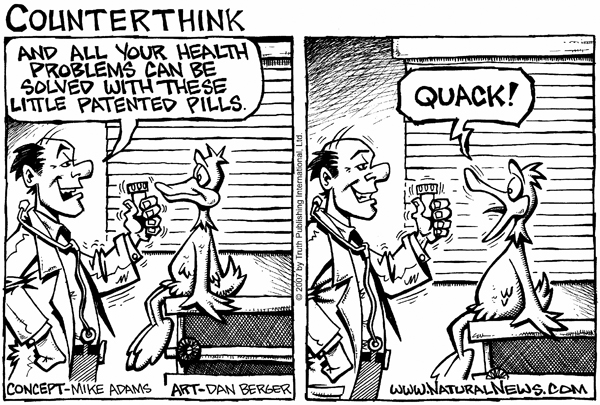
If you are taking such pills, please allow me to prove to you that you also probably don't need most of what you are taking under any circumstances and definitely less so if you make some tweaks to your diet.  As the cartoon above humorously depicts (this was proved in actual study conducted by Cornell University), marketing can be very persuasive. Don't let the supplement marketers and their TV pitchmen have their way with you.  I'm not sure they really have your best interests at heart.

Tuesday, June 12, 2012

Can We Prevent Aging? National Institute of Aging Speaks


On Sunday, I wrote that I would soon discuss reseveratrol. Resveratrol was one of the products that Dr. Oz had inappropriately touted last week as an anti-aging dietary supplement.

Here’s an excerpt from his website about resveratrol:

“You can further protect your body from the harmful effects of inflammation by taking a resveratrol supplement. Resveratrol is a compound found in plants such as the Japanese knotweed, blueberries, peanuts, red grape skins, and others. While resveratrol has been recommended for fighting the physical effects of aging, a brand new study shows it reduced inflammation of the heart in the study's participants by 26%. Taking one 500 mg capsule of resveratrol daily with food will help you maintain a strong, healthy heart.”

By the way, after an hour of searching, I can find no reference to any human “brand new study” regarding resveratrol. In fact, if you examine his words carefully, he doesn’t refer to humans. He only refers to ”participants.” How misleading is that?

After initiating my research into the facts about resveratrol, yesterday, I received a publication from the National Institute of Aging, part of the National Institutes of Health, titled ‘Can We Prevent Aging?’
 

This publication offers a succinct review of all the current “anti-aging regiments available to us beyond a healthy lifestyle. It’s a fairly long publication, so I’ve taken the liberty to excerpt certain key sections under headings that I think would be helpful to my patients.

The headings include:

Antioxidants
Resveratrol
Hormone Therapy and “'Anti-Aging' Supplements”
Hormone Replacement Therapy
Testosterone
Bioidentical Hormone Therapy
Dehydroepiandrosterone, or DHEA

If you read anything I’ve sent you, read this. It’s an excellent up to date summary of the science regarding a number of popular, but unproven methods to decrease or reverse aging. For those of you who don’t have the time or inclination to read it, here’s the National Institute of Aging’s summary:
Until more is known about antioxidants, resveratrol, and hormone supplements, consumers should view these types of supplements with a good deal of caution and doubt. Despite what advertisements on television, the internet, and magazines may claim, there are no specific therapies proven to prevent aging. Some harmful side effects already have been discovered; additional research may uncover others.


On Antioxidants:
Antioxidants protect the body from the harmful effects of by-products known as free radicals, made normally when the body changes oxygen and food into energy. The discovery of antioxidants raised hopes that people could slow aging simply by adding them to the diet. So far, studies of antioxidant-laden foods and supplements in humans have yielded little support for this conclusion. Further research, including large-scale epidemiological studies, might clarify whether dietary antioxidants can help people live longer, healthier lives. For now, although the effectiveness of dietary antioxidant supplementation remains controversial, there is positive evidence for the health benefits of fruits and vegetables.

On Resveratrol:
In one study, scientists compared two groups of overweight mice on a high-fat diet. One group was given a high dose of resveratrol together with the high-fat diet. The overweight mice receiving resveratrol were healthier and lived longer than the overweight mice that did not get resveratrol. In a follow-up study, researchers found that, when started at middle age, resveratrol slowed age-related deterioration and functional decline of mice on a standard diet, but did not increase longevity. A recent study in humans reported that resveratrol may have some similar health benefits to those in animals; however, it is still too early to make any definitive conclusions about how resveratrol affects human health and aging. More research is needed before scientists know if there is a proper and safe dose of resveratrol or if it has any clinical applicability in people.


On Hormone Therapy and “'Anti-Aging' Supplements”:
Higher concentrations of hormones in your body are not necessarily better. And, a decrease in hormone concentration with age is not necessarily a bad thing. The body maintains a delicate balance between how much hormone it produces and how much it needs to function properly. Natural hormone production fluctuates throughout the day. That means that the amount of hormone in your blood when you wake up may be different 2, 12, or 20 hours later.
If you take hormone supplements, especially without medical supervision, you can adversely affect this tightly controlled, regulated system. Replacement or supplemental hormones cannot replicate your body’s natural variation. Because hormonal balance is so intricate, too much of a hormone in your system may actually cause the opposite of the intended effect. For example, taking a hormone supplement can cause your own hormone regulation to stop working. Or, your body may process the supplements differently than the naturally produced hormone, causing an alternate, undesired effect. It is also possible that a supplement could amplify negative side effects of the hormone naturally produced by the body. At this point, scientists do not know all the consequences.
Some hormone-like products are sold over the counter without a prescription. Using them can be dangerous. Products that are marketed as dietary supplements are not approved or regulated by the FDA. That is, companies making dietary supplements do not need to provide any proof that their products are safe and effective before selling them. There is no guarantee that the “recommended” dosage is safe, that the same amount of active ingredients is in every bottle, or that the substance is what the company claims. What you bought over the counter may not have been thoroughly studied, and potential negative side effects may not be understood or defined. In addition, these over-the-counter products may interfere with your other medications. NIA does not recommend taking any supplement touted as an “anti-aging” remedy because there is no proof of effectiveness and the health risks of short- and long-term use are largely unknown.”

On Hormone Replacement Therapy:
Here’s what scientists know:
  • Endometrial problems—While estrogen helps some women with symptom management during and after menopause, it can raise the risk of certain problems. Estrogen may cause a thickening of the lining of the uterus (endometrium) and increase the risk of endometrial cancer. To lessen these risks, doctors now prescribe progesterone or a progestin, in combination with estrogen, to women with a uterus to protect the lining.
  • Heart disease—The role of estrogen in heart disease is complex. Early studies suggested MHT could lower postmenopausal women’s risk for heart disease—the number one killer of women in the United States. But results from the NIH Women’s Health Initiative (WHI) suggest that using estrogen with or without a progestin after menopause does not protect women from heart disease and may even increase their risk.
In 2002, WHI scientists reported that using estrogen plus progestin actually elevates some postmenopausal women’s chance of developing heart disease, stroke, blood clots, and breast cancer, but women also experienced fewer hip fractures and cases of colorectal cancer. In 2004, WHI scientists published another report, this time on postmenopausal women who used estrogen alone, which had some similar findings: women had an increased risk of stroke and blood clots, but fewer hip fractures. Then, in 2007, a closer analysis of the WHI results indicated that younger women, ages 50 to 59 at the start of the trial, who used estrogen alone, had significantly less calcified plaque in their coronary arteries than women not using estrogen. Increased plaque in coronary arteries is a risk factor for heart attacks. Scientists also noted that the risk of heart attack increased in women who started MHT more than 10 years after menopause (especially if these women had menopausal symptoms). There was no evidence of increased risk of heart attack in women who began MHT within 10 years of going through menopause.
  • Dementia—Some observational studies have suggested that estrogen may protect against Alzheimer’s disease. However, testing in clinical trials in older, postmenopausal women has challenged that view. In 2003, researchers leading the WHI Memory Study (WHIMS), a substudy of the WHI, reported that women age 65 and older who took one kind of estrogen combined with progestin were at twice the risk for developing dementia compared to women who did not take any hormones. In 2004, WHIMS scientists reported that using the same kind of estrogen alone also increased the risk of developing dementia in women age 65 and older compared to women not taking any hormones. What possibly accounts for the different findings between the observational and clinical studies? One central issue may be timing. The women in the WHIMS trial started treatment a decade or more after menopause. In observational studies that reported estrogen’s positive effects on cognition, the majority of women began treatment soon after menopause. This has led researchers to wonder if it may be advantageous to begin treatment earlier, at a time closer to menopause. Additionally, it appears that progesterone and progestins (progesterone-like compounds) differ in their impact on brain health.
Despite research thus far, there are still many unknowns about the risks and benefits of MHT. For instance, because women in their early 50’s were only a small part of the WHI, scientists do not yet know if certain risks are applicable to younger women who use estrogen to relieve their symptoms during the menopausal transition.


On Testosterone:
“The bottom line: there is no scientific proof that testosterone treatment in healthy men will help them age better. Until more scientifically rigorous studies are conducted, it is not known if the possible benefits of testosterone therapy outweigh any of its potential risks. NIA continues to conduct research to gather more evidence about the effects of testosterone treatment in aging men.”

On Bioidentical Hormone Therapy:
“Large clinical trials of these compounded hormones have not been done, and many bioidentical hormones that are available without a prescription are not regulated or approved for safety and efficacy by the FDA.”

On Dehydroepiandrosterone, or DHEA:
“[S]ome proponents claim that over-the-counter DHEA supplements can improve energy and strength and boost immunity. Claims are also made that supplements increase muscle and decrease fat. To date, there is no conclusive scientific evidence that DHEA supplements have any of these benefits.
The conversion of naturally produced DHEA into estrogen and testosterone is highly individualized. There is no way to predict who will make more or less of these hormones. Having an excess of testosterone or estrogen in your body could be risky.
Scientists do not yet know the effects of long-term (defined as over 1 year) use of DHEA supplements. Early indications are that these supplements, even when taken briefly, may have detrimental effects on the body, including liver damage.”
“Researchers are working to find more definite answers about DHEA’s effects on aging, muscles, and the immune system. In the meantime, if you are thinking about taking DHEA supplements, be aware that the effects are not fully known and might turn out to cause more harm than good.”


Conclusion:
Until more is known about antioxidants, resveratrol, and hormone supplements, consumers should view these types of supplements with a good deal of caution and doubt. Despite what advertisements on television, the internet, and magazines may claim, there are no specific therapies proven to prevent aging. Some harmful side effects already have been discovered; additional research may uncover others.

I  hope this information has been helpful and as always, please feel free to share your comments.