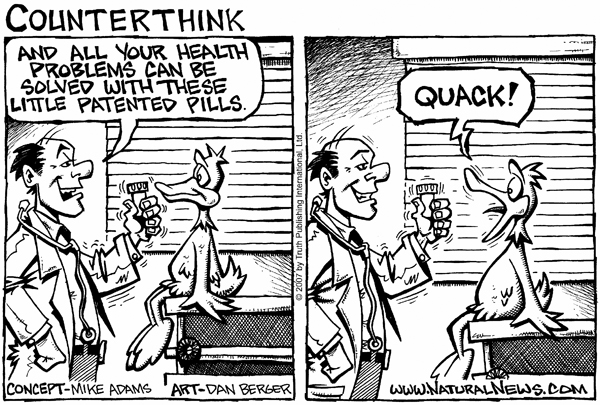
Arguably, given his national stage and reach, Dr. Oz is one of the
biggest pill pushers in the United States. In the seven months I’ve been
watching his show, I cannot remember a week going by without him promoting one
dietary supplement or another.
His favorite recommendations seem to involve
some miracle cure or magic pill to lose weight. This past Friday morning, in a
repeated episode which first aired September 28, 2011, he made three such
recommendations. Today’s blog will focus on the zaniest of the three—his recommendation
to ingest extra zinc to support weight loss. Before, I offer some information
about the role of zinc in the human body; please indulge me as I provide some
additional context for his recommendations.
The tile of Friday’s show was no less haughty than the “Seven
Day Miracle Plan to Boost Your Metabolism.” Don’t even get me started on what
one’s repeated offering of miracles suggests about the person, but that was the
title and here’s what his “miracle” offering entailed. It all started
innocently enough. He recommended that people on day one of his seven day plan use
an online calculator to determine the rate of their metabolism (how many
calories based on your gender, height, weight, and age).
To quote the show’s website, “Your basal metabolism represents
the number of calories your body burns when at rest, but awake, over the course
of one day. This number is one of the factors that determine your total calorie
needs for the day.”
On day two, he recommended that people
reduce their daily intake by 100 calories. To demonstrate how, he took a bowl
of chocolate ice cream (really?) and scooped out about three tablespoons and
said that represented about 100 calories. Not exactly the example I would have
used, but it could be worse. The problem I had with this example was that he
started with a heaping bowl of ice-cream so a mere reduction would not factor
in any weight loss diet I know. Also, by using ice-cream and imprecise
measurements, he was indirectly advocating that conventional sugar-dense and
calorie-rich ice cream is a viable part of a healthy diet, let alone a diet
meant to result in weight loss. While I am not a fan of the concept of dieting,
I do believe that what and how much you eat do affect both weight and health.
Oz then suggested on day three that you add
protein to your diet to lose weight. There is logic to the substitution of
protein for carbohydrates in one’s diet (amino acids are essential, while carbs
are not) although the source of protein may be contentious. I prefer protein to
come from nuts, beans, and wild fish rich in Omegas 3s, but I take no issue with
this suggestion.
His day four suggestion is somewhat
contentious. He stated that to lose weight you must eat every three hours. He recommended
snacking with pistachios and dried apricot. First of all, I don’t agree with the
dried apricot suggestion. Although preferable to many processed snacks, I am
not a fan of dried fruits due to the increased fructose concentration. Nevertheless,
I agreed that people should eat their first meal close to awakening. However,
if you wake at 6 or 7 each day, I don’t believe you should snack before lunch. I do believe in snacking between lunch and
dinner with an organic apple, baby carrots, and/or mixed unsalted nuts. But
these are my personal preferences and his suggestion to snack every three hours
is not completely out of whack.
On day five, he recommended that people
drink at least three drinks a day with ice-cubes. Oz claimed that when the body
comes in contact with an iced drink, it must consume more calories to warm up
the drink. An interesting theory, and one that would suggest that people who
live in cold climates burn more calories from daily living, right? For an interesting review of the subject,
please see the article at this link, http://www.chow.com/food-news/54270/does-drinking-ice-water-burn-calories/ .
I cannot attest to the accuracy of the
calculations presented in the article, but the article, particularly the last
sentence, should give one serious pause about following Dr. Oz’s suggestion.
Oz’s suggestion also included using coffee
or green teas with the ice to boost your metabolism. That’s a whole topic for another
day (although green coffee extract was already repudiated in one of my blogs
last week). However, the question to ask
is even if coffee boosts the body’s metabolism, which it probably does in the
short-term after consumption, does that increase weight loss? I could not find
any studies to support that conclusion. Also, most people don’t drink their
coffee black; rather, they add milk or cream and some sweetener so those additions
also affect your metabolism and the net effects of coffee and green tea on your
weight. Personally, I don’t find coffee drinkers to weigh less than non-coffee
drinkers. Do you?
Up until this point, Oz’s suggestions were
harmless enough. He suggested a quick calculation, cutting calories, eating
more protein, eating every three hours, and drinking iced coffees and teas. So
at this point I was thinking to myself that although these don’t quite
represent a miracle, they were reasonable enough suggestions and most
importantly, he hadn’t recommended any dietary supplements. I was actually
excited and delighted, but it was short-lived.
Oz then made
one of the zaniest recommendations I have ever heard him make. To quote his
site,
“Day 6: Take Zinc
Zinc reduces hunger
by increasing your level of leptin, a key hormone that alerts the body when
you’re full so you won’t keep eating when you’re no longer hungry. You can buy
zinc in 15mg packets or simply get it from your multivitamin, which usually
contains about 12mg of this essential mineral.”
I was actually on my elliptical
while watching the show and I almost dropped my cellphone on which I was taking
notes when he uttered his words on zinc. “What???” I thought to myself. “Is
that true? Does Zinc elevate leptin? Does elevating leptin actually reduce
weight? Is there any science to support any of these assertions?”
Now leptin, discovered in 1994
by studying obese mice, is a known hormone produced by our bodies that acts as
an appetite suppressant by suppressing neuropeptide Y, a known appetite
stimulant that then suppresses another stimulant and continues down a full
cascade (too complicated for this blog). At one point, leptin held promise as a means
to reduce weight, but suffice it to say that numerous studies have
failed to support the conclusion that increasing leptin reduces weight.
Notwithstanding, Dr. Oz took it
one step further. He was actually recommending that taking surplus zinc would
somehow raise the body’s leptin levels and help one lose weight. I knew at that
point that I had a major research project ahead of me to research the facts and
discover the truth. After seven hours of research, I discovered what I believe
to be the facts.
Before I discuss the leptin-zinc
connection, let’s first review of role of zinc in our health.
The
Role of Zinc in Human Health
The human body requires certain nutrients that are required for
normal body functioning that either cannot be synthesized by the body at all,
or cannot be synthesized in amounts adequate for good health and must therefore
be obtained from a dietary source. These ‘essential nutrients’ include
vitamins, minerals, fatty acids, amino acids, water, and air. (By the way, carbohydrates
are not essential because glucose is a byproduct of protein breakdown.) The
last among these alphabetically is Zinc, but its importance to the human health
cannot be overstated.
It is believed that zinc plays a role for between 100 to 300
enzymes, biological molecules that facilitate and control the rates of human reactions
essential to healthy living. Without sufficient zinc, many of these biological reactions
would not take place and many illnesses could ensue ranging from depressed
immunity, eye and skin lesions, impaired appetite, altered mental function, and
defects in how the body processes carbohydrates, to chronic liver and kidney
disease, sickle cell disease, diabetes, cancer and other chronic illnesses. Zinc is very important to say the least.
At the same time as with some, but not all, essential
nutrients, excess consumed amounts of zinc may lead to a host of problems such
as gastrointestinal disorders, e.g. nausea, vomiting, unpleasant taste, taste
distortion, indigestion, anorexia, abdominal cramping, intestinal bleeding, and
diarrhea. It may also be unsafe in patients with coagulation disorders or those
taking antiplatelet medication, e.g. aspirin, or other anticoagulants, as zinc may affect
platelet aggregation, and it may be harmful due to accumulation in patients
taking potassium-sparing diuretics as they are shown to reduce urinary zinc
excretion.
Zinc must be used cautiously in patients using thyroid
hormones, as based on human research, zinc supplementation may alter thyroid
metabolism. Administration of zinc in the absence of copper may cause a decrease
in serum copper and iron levels and in individuals with hyperlipidemia or in
those taking some lipid lowering drugs, as long-term, high-dose administration
of zinc may result in decreased HDL (the ‘good’) cholesterol levels. In animal
research, cholestyramine, a bile acid sequestrant, decreased urinary zinc
excretion.
To sum the consequences of low doses of zinc, in a review paper
titled Zinc Toxicity published in 1990
in the Journal of American Clinical Nutrition, according to the author’s abstract
for the paper, “Even lower levels of zinc supplementation, closer in amount to
the RDA [recommended daily allowance], have been suggested to interfere with
the utilization of copper and iron and to adversely affect HDL cholesterol
concentrations. Individuals using zinc supplements should be aware of the
possible complications attendant to their use.”
The
Leptin-Zinc Connection
Let’s take a quick look at how leptin works.
The hormone leptin has garnered
attention as a possible target in the struggle against obesity and being
overweight. Your fat cells produce leptin, which suppresses hunger and
increases your metabolic rate. In general, the more body fat you have, the
higher your blood leptin level. Zinc may affect leptin production, a factor
that has led to interest in whether zinc supplementation may boost leptin
levels and promote weight loss.
How Leptin Works
The
hypothalamus is the part of the brain that is primarily responsible for
appetite regulation. The hypothalamus receives many signals from both the
central nervous system and hormones that affect your perception of hunger. In
general, your leptin level informs your hypothalamus the degree to which you
have stored body fat so that when your hypothalamus recognizes a low leptin
level as indication of low stored body fat, this triggers increased appetite. An
increase in leptin levels sends the opposite message, which normally leads to
decreased hunger. As body fat storage levels change slowly, leptin is
considered a long-term regulator of body weight and metabolism.
For a good review of the role leptin, please cut and paste this link.
http://onlinelibrary.wiley.com/doi/10.1111/j.1467-789X.2006.00270.x/full
The Link to Zink
It took me a while to review the
state of the literature on Zinc and its relationship to leptin, and here’s what
I found. After reviewing some 900 hundred titles of studies for specific
information, I found a handful of studies that speak to the issue.
Here was one of them.
Effect
of Zinc Supplementation on Serum Leptin Levels and Insulin Resistance of Obese
Women
by Dilina Do
Nascimento Marreiro, Bruno Geloneze, Marcos A Tambascia, Antonio C Lerário, Alfredo
Halpern, Silvia Maria Franciscato Cozzolino
The conclusion of the
study was that nothing basically changed including weight, other than the more zinc
consumed, the more zinc was excreted in the urine.
Here was another study:
Zinc Deficiency Reduces Leptin Gene Expression and
Leptin Secretion in Rat Adipocytes
by Elizabeth S. Ott and Neil
F. Shay
This
study focused, as the title suggests, on zinc deficiency. When you have a deficiency
it is completely different than when you have a non-deficient state. To use a
car analogy, a four wheeled vehicle will have difficulty navigating with three
wheels, but it will drive no better (perhaps worse?) with five wheels versus
four. By the way, it was a rat study so it doesn’t deserve close merit. Either way,
the study’s results do not support the assertion that adding zinc to your diet
produces weight loss.
Here’s
yet another study:
Relationship between plasma leptin and zinc levels and
the effect of insulin and oxidative stress on leptin levels in obese diabetic
patients.
by Konukoglu
D, Turhan MS, Ercan M., Serin O.
One of the main conclusions
of the study was that there was a significant negative correlation between leptin
and zinc in obese subjects.
To be
facetious, there was not quite Dr. Oz’s conclusion.
Here are
the last two studies worth noting.
Zinc May Regulate Serum Leptin Concentrations in Humans
by Christos S. Mantzoros, MD, Ananda S. Prasad, MD,
MACN, Frances W.J. Beck, PhD, Susan Grabowski, PhD, Joseph
Kaplan, MD, Connie Adair, RD, and
George J. Brewer, MD, FACN
and
Zinc May be a Mediator of Leptin Production in Humans
by Ming-Der
Chen, Yuh-Min Song, Pi-Yao Lin
As discussed earlier, a zinc
deficiency may, in fact, reduce leptin production. So what? In a small study conducted by Dr.
Christos Mantzoros and colleagues and published in the "Journal of the American
College of Nutrition," experimentally induced zinc deficiency decreased
leptin levels. Reversal of the deficiency with supplemental zinc led to a
corresponding increase in blood leptin. Again,
knowing that zinc plays a critical role in the functioning of at least 100
enzymes, it should come as no surprise that a zinc deficiency would preclude
the body from functioning normally, including producing leptin. However, this shows
no correlation to a person with normal zinc levels. Dr. Oz made no differentiation
between the two nor gave fair warning that his recommendation was geared
towards someone with a possible zinc deficiency. The Mantzoros study participants did not experience weight or body fat changes despite varying leptin levels.
In the Chen study, data from animal research supports the existence of the zinc-leptin
link. Ming-Der Chen, Ph.D., and colleagues reported in a March 2000 article
published in "Hormone and Metabolic Research" that leptin levels
increased when a moderate dose of zinc was fed to mice with experimentally
induced diabetes. Interestingly, both zinc deficiency and high-dose zinc
suppressed leptin production. Now although this was also only an animal study, that last
sentence should make you wince. Dr. Oz is recommending that the average person
who wants to lose weight should supplement with 12 to 15 mg of additional zinc
when it may, in fact, be associated with the opposite intended effect.
Some research speculates that overweight and obese patients develop leptin resistance, which means increasing leptin level may have no affect on the hypothalamus.
One more study for consideration:
"Obesity Research;" Relationship Between Circulating Leptin and Energy
Expenditure in Adult Men and Women Aged 18 Years to 81 Years
by Susan B.
Roberts, Ph.D., et al.
In her 1997 article," Susan Roberts, Ph.D.,
and colleagues also found no association between blood leptin levels
and energy expenditure, a measure of metabolic rate. These findings
again suggest that other factors than just leptin play a role as major regulators of appetite
and body weight.
So here’s the only logical conclusion one can reach, as Dr. Oz likes to say, “in
case you missed it,” taking zinc to increase your leptin levels in the absence of
a zinc deficiency has no expected benefits and potential harmful side effects.
A thorough review of the
data and research by Dr. Oz and his, I suspect, substantial staff would have
reached the same conclusions if they bothered to do the same level of research.
To add insult to injury,
as if the zinc recommendation wasn’t bad enough, Oz went so far as to recommend
two additional dietary supplements on Friday’s show as additional ‘metabolic
boosters.’ They included, white bean extract and L-arginine, neither of which
has conclusive scientific data to support its use for boosting metabolism.
This show was a perfect
example of Oz piling fiction on truth to create the impression that he had
something unique, what he calls a “miracle,” to offer to his audience. Let's not forget that in his world most things also happen in seven days. (Hmm, miracles and seven days. I wonder what he's trying to tell us?)
Dr. Oz should stick to giving health advice that doesn’t include dietary supplements
because when it comes to such supplements, neither he nor his staff seem able
to do meaningful research to ferret out the truth and offer sensible
recommendations to his audience. Perhaps
they know the truth, but there may be something more nefarious at play here such
as financial consideration and greed. It is hard to know what is in a man’s
heart, but what’s on his TV show leaves much to be desired.
Although zinc deficiencies are rare among Americans, here's are two tables with information on zinc offered for your reference.
Table 1: Recommended Dietary Allowances (RDAs) for Zinc [2]
| Age |
Male |
Female |
Pregnancy |
Lactation |
|---|
| 0–6 months | 2 mg* | 2 mg* | | |
| 7–12 months | 3 mg | 3 mg | | |
| 1–3 years | 3 mg | 3 mg | | |
| 4–8 years | 5 mg | 5 mg | | |
| 9–13 years | 8 mg | 8 mg | | |
| 14–18 years | 11 mg | 9 mg | 12 mg | 13 mg |
| 19+ years | 11 mg | 8 mg | 11 mg | 12 mg |
* Adequate Intake (AI)
Sources of Zinc
Food
A wide variety of foods contain zinc (Table 2).
Oysters contain more zinc per serving than any other food, but red meat
and poultry provide the majority of zinc in the American diet. Other
good food sources include beans, nuts, certain types of seafood (such as
crab and lobster), whole grains, fortified breakfast cereals, and dairy
products.
Phytates—which are present in whole-grain breads, cereals, legumes, and other foods—bind zinc and inhibit its absorption.
Thus, the bioavailability of zinc from grains and plant foods is lower
than that from animal foods, although many grain- and plant-based foods
are still good sources of zinc.
Table 2: Selected Food Sources of Zinc
| Food |
Milligrams (mg)
per serving |
Percent DV* |
|---|
| Oysters, cooked, breaded and fried, 3 ounces | 74.0 | 493 |
| Beef chuck roast, braised, 3 ounces | 7.0 | 47 |
| Crab, Alaska king, cooked, 3 ounces | 6.5 | 43 |
| Beef patty, broiled, 3 ounces | 5.3 | 35 |
| Breakfast cereal, fortified with 25% of the DV for zinc, ¾ cup serving | 3.8 | 25 |
| Lobster, cooked, 3 ounces | 3.4 | 23 |
| Pork chop, loin, cooked, 3 ounces | 2.9 | 19 |
| Baked beans, canned, plain or vegetarian, ½ cup | 2.9 | 19 |
| Chicken, dark meat, cooked, 3 ounces | 2.4 | 16 |
| Yogurt, fruit, low fat, 8 ounces | 1.7 | 11 |
| Cashews, dry roasted, 1 ounce | 1.6 | 11 |
| Chickpeas, cooked, ½ cup | 1.3 | 9 |
| Cheese, Swiss, 1 ounce | 1.2 | 8 |
| Oatmeal, instant, plain, prepared with water, 1 packet | 1.1 | 7 |
| Milk, low-fat or non fat, 1 cup | 1.0 | 7 |
| Almonds, dry roasted, 1 ounce | 0.9 | 6 |
| Kidney beans, cooked, ½ cup | 0.9 | 6 |
| Chicken breast, roasted, skin removed, ½ breast | 0.9 | 6 |
| Cheese, cheddar or mozzarella, 1 ounce | 0.9 | 6 |
| Peas, green, frozen, cooked, ½ cup | 0.5 | 3 |
| Flounder or sole, cooked, 3 ounces | 0.3 | 2 |
* DV = Daily Value. DVs were developed by
the U.S. Food and Drug Administration to help consumers compare the
nutrient contents of products within the context of a total diet. The DV
for zinc is 15 mg for adults and children age 4 and older. Food labels,
however, are not required to list zinc content unless a food has been
fortified with this nutrient. Foods providing 20% or more of the DV are
considered to be high sources of a nutrient.
The U.S. Department of Agriculture's
Nutrient Database Web site lists the nutrient content of many foods and provides a
comprehensive list of foods containing zinc.
If you read this far, you deserve this cute video about Zinc. Just copy and paste in your browser, and enjoy!
http://www.youtube.com/watch?v=oAJ4XVmI4dc